

Private event and catering demand is built, not waited for. Restaurants that fill their event calendar and their catering orders run a system: paid campaigns aimed at people planning a specific occasion or order, a response to every inquiry within minutes, their own past-guest list worked separately, and every lead tracked to its source. One Miami restaurant built that system in August 2026, generated 121 qualified inquiries in 21 days, and booked 9 private events in its first 60 days while catering leads arrived daily.
Key numbers from the CalaMillor engagement (Miami, FL)
- 121 qualified private event and catering inquiries in the first 21 days
- 9 private events booked in the first 60 days, averaging about $3,100 each
- 137 new leads in the first three weeks of October: 85 catering, 52 private events
- 4 quote requests from a single email to the restaurant’s existing guest list
- Every inquiry tracked to its source: Meta, Google, website form, or email
Why do private event and catering inquiries feel random?
Because nobody is generating them. At most restaurants, an event inquiry or a catering order arrives when a guest happens to think of you. A baby shower on Tuesday, an office lunch order on Friday, silence for nine days. The events person works whatever lands. December carries the year because December is the only month the market does the work for you.
The cost is not a scheduling gap. An empty private space on a Thursday, or a catering kitchen with nothing on the board for the week, is a four-figure check that did not happen. Unlike a slow dining room, you cannot win the date back next week.
What does an event and catering demand system include?
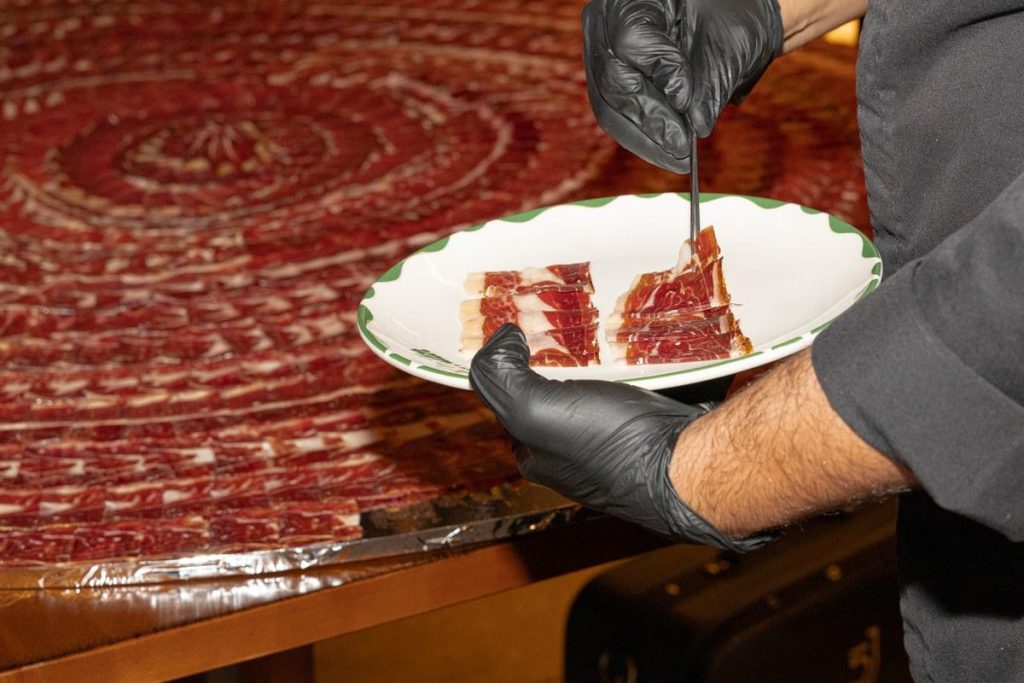
Four parts. Remove any one and the others underperform.
Demand built by occasion, not by restaurant. Nobody searches for “private events” or “catering.” They are planning a baby shower, a rehearsal dinner, an office holiday party, or Friday lunch for 30 people. Separate paid campaigns on Meta and Google for each occasion and each catering buying moment, each with its own audience and its own landing page, so someone planning a baby shower sees an ad about baby showers and lands on a page about baby showers, and an office manager looking for team lunches sees an ad about team lunches. These pages live inside the campaigns, not on the restaurant’s website.
Follow-up inside minutes. The moment a form comes in, the inquiry gets a text and an email, and the events or catering team gets the lead with the date, headcount, and budget already attached. The planner who emailed you also emailed two other places. The first real response wins more often than the best menu.
The past-guest list, worked on its own. Separate from the ads, one plain email to the restaurant’s existing guest list produced four quote requests for CalaMillor. The list you already have is the cheapest demand you will ever generate, and most restaurants never use it for events or catering.
Every lead tracked to source. Each inquiry carries its origin, Meta, Google, website form, or email, all the way to the signed contract or the confirmed order. That is how budget moves toward what books and away from what only produces impressions.
What happened when a Miami restaurant built one for both?
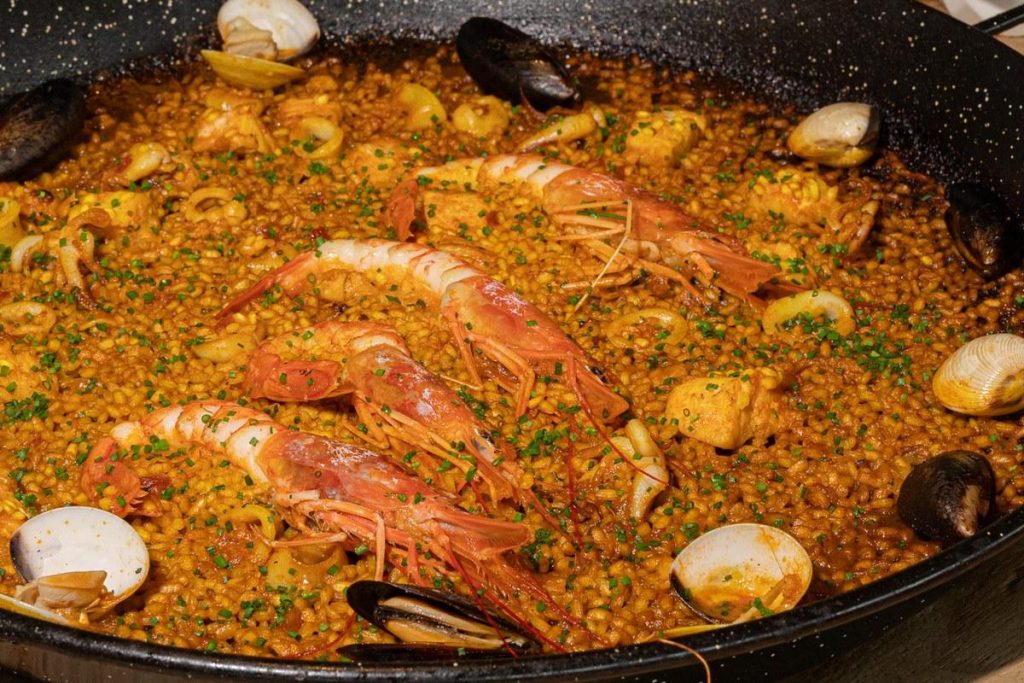
CalaMillor, a Spanish restaurant in Miami with several private event spaces and a catering menu, started the system in August 2026, ten weeks before holiday season. In the first 21 days: 121 qualified private event and catering inquiries. In the first 60 days: 9 private events booked, averaging about $3,100 each. In the first three weeks of October: 137 new leads, 85 catering and 52 private events, with leads arriving daily and the calendar full going into December.
Event and catering sales cycles run weeks, not days, so a good share of the early inquiries were still open as quotes when those numbers were counted. The full breakdown is in the CalaMillor private events and catering case study.
When should a restaurant start building holiday event and catering demand?
August. A lead that comes in during the last week of October closes as a December booking or a December catering order. The restaurants with full holiday calendars did not get lucky in November; they had inquiries arriving daily by September. The same logic applies to every season: build the pipeline 60 to 90 days before the dates you want to fill, because the inquiry-to-contract cycle for a 40-person dinner or a recurring office order is measured in weeks.
What can you do this month without hiring anyone?
Three things, in order of impact.
- Audit your events and catering pages like a buyer would. Open each on your phone. Can you see every type of event the restaurant hosts and every kind of catering it offers? Can you see the spaces set up for an event and the trays or packages a catering buyer would actually order? Real photos of past events and real orders are the standard; if you do not have good ones, a well-executed render of your actual space or your actual menu beats stock or a blurry phone shot, as long as it is yours and not a fantasy. Can you tell how many people each space holds, what catering minimums are, and what it costs to start? Is there a form that asks for date, headcount, and budget, or just a phone number? Fail any of those and you are losing inquiries you never knew you had. Your site does not need a page per occasion. It needs to show everything you can do and make it effortless to ask.
- Answer every inquiry inside an hour. Speed is the close rate, for a 40-person dinner and for a 30-person office lunch alike. Set up an automatic text and email acknowledgment if you cannot staff the inbox, and make sure a human follows with a real quote the same day.
- Track every inquiry to its source. Add a “how did you hear about us” field, use separate forms per channel, do whatever it takes. If you cannot say which channel produced last month’s events and catering orders, you are running a guess, not a pipeline.
The takeaway
Random is what demand looks like when nobody owns it. Own it, and private events and catering stop being the things that happen in December and start being the things that happen every week.
If you want to talk through what this could look like for your spaces and your catering, one location or ten, we keep a few strategy calls open each week. No pitch, just a conversation about what is working and what is not. Book a strategy call.
Restaurants and hospitality groups hire Breadth to grow catering, private events, and every revenue center in between. See the Private Events Growth System and the Catering Growth Program.
FAQ: Restaurant private events and catering marketing
How do restaurants get more private event bookings and catering orders?
By generating inquiries instead of waiting for them: paid campaigns aimed at people planning specific occasions or orders, a response within minutes to every inquiry, a separate email to past guests, and source tracking on every lead. CalaMillor in Miami generated 121 qualified private event and catering inquiries in 21 days with that system.
Should a restaurant market private events and catering separately?
Yes, in the campaigns, and no, in the pipeline. Each gets its own audiences, ads, and landing pages because the buyers are different: an office manager ordering lunch is not planning a rehearsal dinner. Both feed one tracked pipeline with the same follow-up rules, so nothing falls between two teams.
How fast should a restaurant respond to a private event or catering inquiry?
Within the hour, and within minutes if the first touch is automated. Planners and office managers contact several venues at once, and the first one to respond with a real quote usually wins the date or the order.
Should a restaurant’s website have a separate page for each type of event?
No. Occasion-specific pages belong inside paid campaigns, where each page matches the ad that sent the visitor. The restaurant’s own website should show every type of event it hosts and every catering option it offers, real photos, capacities, minimums, starting prices, and a form that asks for date, headcount, and budget.
When should a restaurant start marketing holiday private events and catering?
By August. Inquiries that arrive in late October close as December bookings and orders, and the sales cycle for a large event or a recurring catering account runs weeks. CalaMillor started in August 2026 and had a full holiday calendar before the season began.